
 |
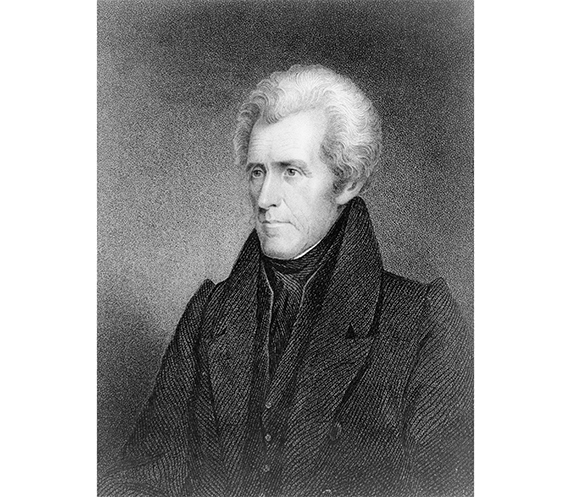
Talk abounds of replacing Andrew Jackson’s image on the $20 bill due to his treatment of Native Americans.
It is always unfair to judge someone’s actions based on 21st-century standards when they were making decisions in an 18th- and 19th-century world, considering how many advocating such changes are historically ignorant. Take, for instance, the Cherokee Removal. It did not begin, nor end, with Jackson. More than a few American presidents made their impacts on this part of Native American history.
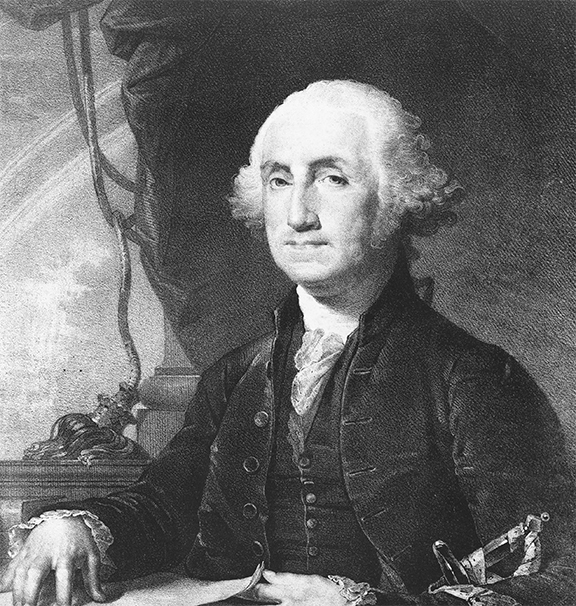
Our first president, George Washington, was acutely aware of the issue his new country faced with huge sections of his new country occupied and controlled by Native American tribes. He did not ignore the issue. His plan was to help Native Americans assimilate into the white world, estimating it would take 50 years for that to have an impact.
For more than a few in the American government thinking was when the Cherokee and other Native American tribes took the British side in the Revolutionary War they had in essence given up any right to their lands when the British were defeated. They occupied lands owned by the United States of America, and if white settlers wanted it, they should have it.
The population of the United States was expanding rapidly and with the huge amounts of immigrants were arriving from Europe, all needed somewhere to go.
Part of Washington’s plan was to encourage Native Americans to adopt white man’s way. He felt land ownership was a key to Indians no longer needing hunting grounds, and farming that land to which they held title, adopting the white man’s farming and religion would go far in his assimilation plan. With no need for large hunting grounds, the ceding of those lands to white settlers would be a natural by-product.
To that end, the Washington administration distributed tools, plows, spinning wheels, looms, as well as cattle and sheep to Native Americans. By this, men could support their families through farming and women by producing domestic products. The government sent agents among the tribes to assist in this. It didn’t work.
Washington expected Native Americans with generations of tradition in roaming the mountains hunting was the same as a European’s tradition of owning everything. It was a clash of cultures, and one that Native Americans were destined to lose.
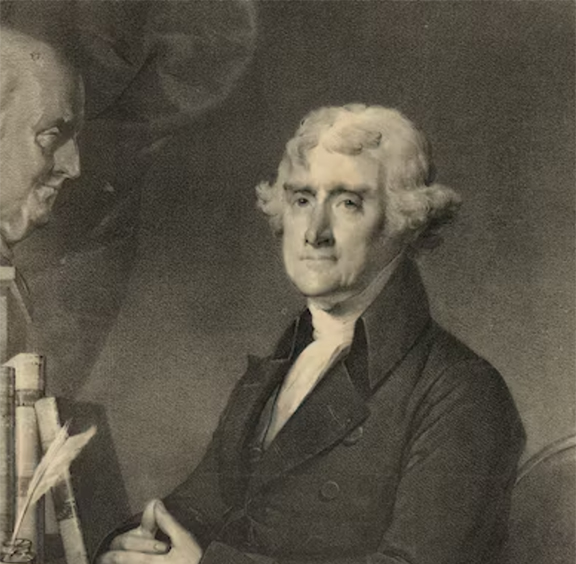
The third president of the United States, Thomas Jefferson, wanted more states in the union, and to that end wanted to break up Georgia, which claimed all land to the Mississippi River. In exchange for Georgia giving up what would be Alabama and Mississippi, Jefferson promised Georgia ownership of all lands within its existing borders – with no consideration that this included the largest part of the Cherokee nation. There was no treaty or agreement on the part of the Cherokee. Jefferson just did it – in 1802.
Jefferson added to the long-term issue with the Louisiana Purchase a year later in 1803. Now he had an out in promising Georgia the Cherokee land, with tons of land where the Cherokee could go. The agreement was pushed to the back-burner in Georgia until 1828, when gold was discovered on Cherokee land. Instantly, the old agreement was dusted off in the name of greed.
Jackson was in favor of Indian Removal, and before the Cherokee Removal began he had already instituted the removal of the Chickasaw, Creek, Choctaw and Seminole. It took two wars with the Seminole to accomplish that, as well as uprisings among the Creek.
The Cherokee should have seen it coming, especially after in the treaty of New Echota. The American representatives dealt with the Removal Party, and issued a proclamation that any Cherokee who did not show up for the treaty talks was by their absence giving those who attended permission to represent them.
This was done with no permission from the Cherokee themselves, it was simply a rule made up to give the government what it wanted. With the treaty agreed upon under such shady circumstances, it was sent to Washington. The agreed upon treaty included a provision that any Cherokee who wanted to stay and not go to Oklahoma would be entitled to 640 acres and permission to remain.
Jackson’s response was to strike through that part of the treaty and send the rest of it for ratification to Congress. By rights that change should have nullified the treaty as even the Removal party had not agreed to the change. But no. The Jackson altered treaty cleared by a single vote.
The entire process of the so called treaty talks with Native Americans has been described as rife with corruption, made-up fake records and even instances in which Indian leader’s signatures were faked.
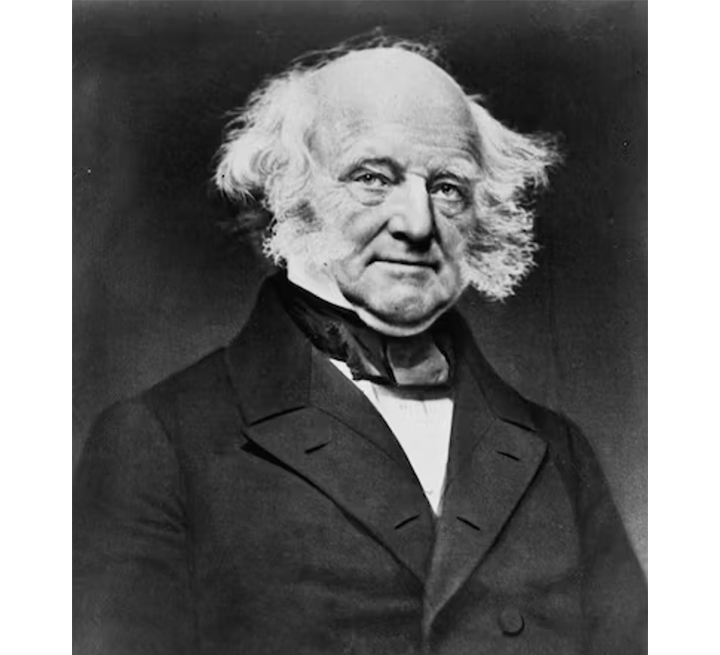
While Jackson was the primary force behind the Indian Removal, it was not Andrew Jackson who instituted and forced the Cherokee Removal. He was already out of office by that time. The president who saw the removal enforced was Jackson’s successor, Martin Van Buren. While Jackson deserves much of the guilt, there is plenty of guilt to be disseminated.
It was these presidents who laid the groundwork for the Cherokee Removal and set the example for future presidents poor treatment of Native Americans as well.
Bruce Voyles’ local history column runs every other week in the Cherokee Scout. Email him at RoadsLessTraveled@cherokeescout.com.