
 |
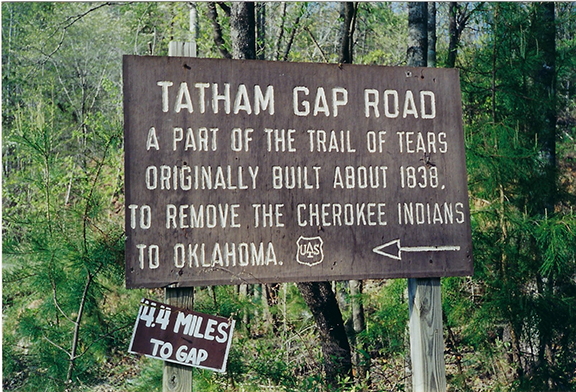
As a child, I walked barefoot with my cousins in the soft powdery clay, hunting dew berries along the dirt road to Tatham Gap. It was many years ago, yet I recall the memories like it was yesterday.
Aunt Helen (Birchfield) would give us the leftover biscuits from breakfast, and we would raid the garden and the Hamiltons’ apple trees in preparation for our long journey to Joanna Bald. It was about five miles to the top of Robbinsville Mountain, and then a road forked off to the right that went out to the Forest Service tower, which was a lookout station for forest fires.
When the tower was not manned, we would climb the maze of stairs to the deck and look out over the Andrews Valley and beyond. We thought we were on top of the world, and I guess we were by our standards anyway. I have often wished that I could go back and relive those carefree days of summer, where our laughter and our songs rang out down the ridges of the ancient mountains.
We would watch the clouds being tossed over the lofty mountain tops and hear the mountain breeze blowing down the ridges and across the wildflowers that dotted the fields with color in the valley below. On our way down the mountain, we would bake in the sunshine like lizards on rock outcroppings, which seemed to warm our souls and fill us with a compelling spirit of life and childhood happiness. We would play under a large dead tree that we named “Panther Tree” on land owned by George Honduras, and we would graze on huckleberries, gooseberries and blackberries that were plentiful at the halfway ground.
It seemed that our voices were in tune to the mournful winds that blew down through the hollows where the Cherokee Indians were forced to leave their homes and the mountains that gave them life. The rugged landscape was a haven to us as we roamed around all day.
But as children, we had heard the stories of the cruelty inflicted upon a peaceful people because the white man wanted their land.
I often wondered about the Indian children who walked along the same path to the stockade in Andrews, and if they knew they would never see their home again. It made me cry then, and it still does today when I think about it.
We played along those paths from Tatham Gap, and were filled with joy and happiness in the beautiful forest that surrounded us. Yet those same paths were stained with tears from the Indian children who walked down that mountain with unbearable heartbreak and unimaginable fear from being herded like cattle by soldiers.
From the mountains of western North Carolina and eastern Tennessee, to the vast lonely outback of Oklahoma, the “Trail of Tears” marks a black swath of cruelty in American history.
Kandy Barnard is a columnist for the Cherokee Scout. To talk about the Andrews Valley, call her at 361-3268 or email kandybarnard@gmail.com.