

.
See Part 2 here
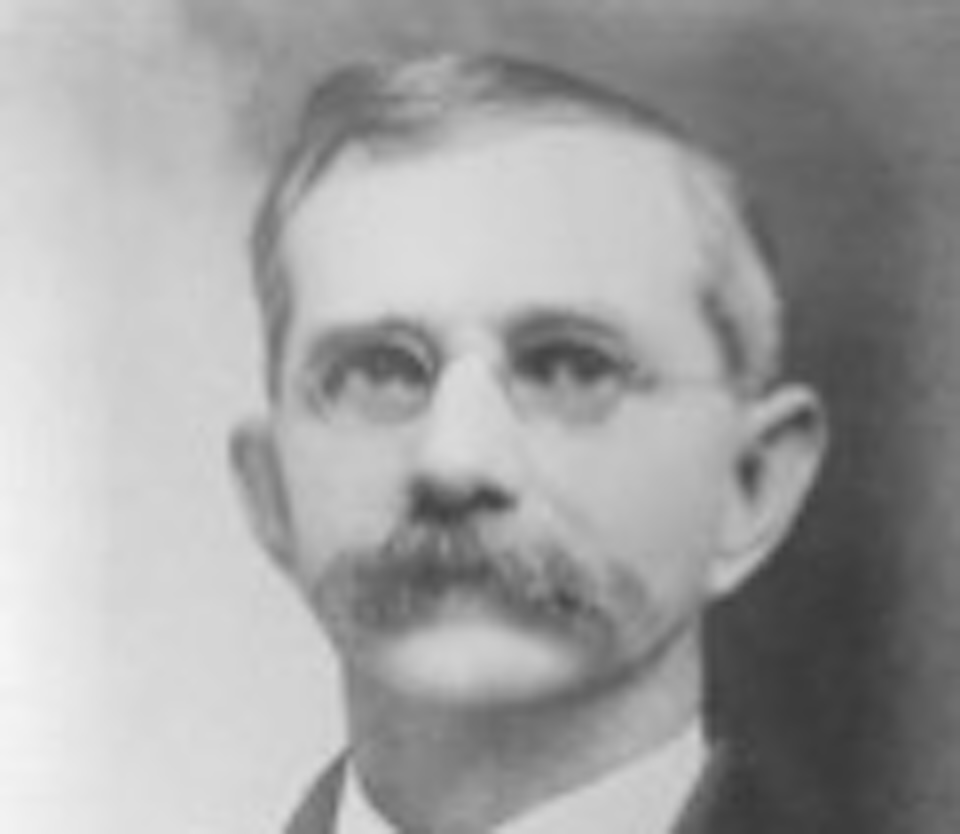
In 1905, the N.C. General Assembly acted to incorporate the Town of Andrews and appointed David Samuel Russell as mayor until an election could be held in May 1907. He was elected, then re-elected to six more terms over a period of 26 years during the first years of the town’s existence.
Russell was born in 1856 in the Outer Banks of North Carolina. He grew up in the time of the Reconstruction period, which came about after the Civil War. When he was old enough, he left the North Carolina coast and struck out on his own and ended up in Old Fort.
He landed a job in a furniture factory, which was owned by Col. A.B. Andrews, who was vice president of the Richmond and Danville Railroad. He met and married Harriet Moffett Blackwelder while working in Old Fort. The couple eventually had six daughters and one son.
Andrews was impressed with the work ethics of Russell and their friendship resulted in his appointment in charge of a commissary store that was set up at Red Marble Gap, soon after the railroad had reached an area of Nantahala at Jarrett’s Station in November of 1884.
The commissary store would take care of the supplies needed for the construction workers building the railroad, and even supplies for the settlers in this area. Russell had named the place “Topton.” The Topton Post Office was established in December of 1887, and Russell was appointed postmaster and held that position for two years.
During this time, Russell was also scouting the country down to the west trying to find a suitable site for his next commissary store. According to family members, he was taken with the Valleytown section and “he thought it was the perfect site for a town, and that this was where he wanted to make his home and bring up his family.”
In 1885, Andrews and several railroad officials made the trip by train to the end of the railroad near the mouth of the Nantahala River. They came to see the land that Russell had told them would be the best place for the town. He guided them to the broad fertile Valley River valley, and they knew the opportunities were endless.
There were miles of heavily timbered ridges that flanked both sides of the valley, and rushing creeks in every direction flowed into the river. It would be a haven for the timber business and many other businesses would spin off from that.
Andrews agreed that this was the perfect place for a town, He secured an option on what was the C.A. Colvard farm and purchased the property in 1890. His plans included dividing the land into lots for a public land sale. The railroad had been built to Andrews, and the date of Sept. 30 was set for the auction.
Andrews had advertised the event in every corner of the country and people came from as far away as Raleigh on the special train that was provided for potential investors. It was reported that the lots “sold like pancakes” and at the end of the auction, the list of purchasers included the local folks and several prominent businessmen who lived hundreds of miles from the mountains of western North Carolina.
Kandy Barnard is a columnist for the Cherokee Scout. To talk about the Andrews Valley, call her at 828-361-3268 or email kandybarnard@gmail.com.