
 |
I have always been intrigued by the story of how the Native American Indians saved the lives of the pilgrims who were passengers on the Mayflower.
They were dropped off on the shores of Cape Cod, Nov. 11, 1620. The ship’s projected landing was to have been the established Jamestown Colony, where they would be assisted in the settlement.
However, the ship was blown off course, so the 102 passengers were set out at Cape Cod to fend
for themselves. Winter was setting in, and the pilgrims were low on food and short on supplies, and the planting season had long passed.
They had resorted to stealing corn the Native Americans had stored to supplement the wild game they hunted. By December of 1620 through March of 1621, half of the passengers had died from malnutrition and other diseases.
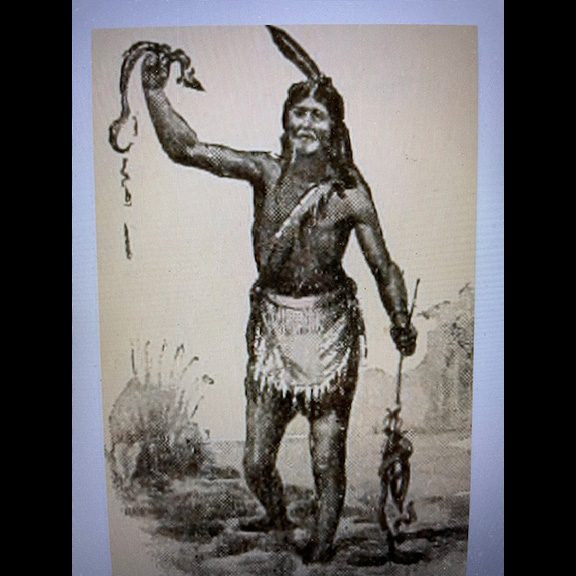
In March of 1621, they were saved when a Native American named Samoset bravely walked into the settlement and greeted the pilgrims in the English language, to their amazement. He introduced the chief of Wampanoag Confederacy, and to Squanto, who also spoke English.
Chief Ousamequin, who was called Massasoit, ordered Squanto to go and live with the pilgrims and teach them how to do things that would help them survive. He showed them the best hunting grounds and the best fishing holes, and how to plant their crops in this new land.
By fall of 1621, the pilgrims planned a harvest feast and invited their Native American friends to share in the celebration, which is now claimed as the First Thanksgiving. The first accounts of the feast was written by Bradford and Winslow in two separate documents called Mount’s Relation and
Of Plymouth Plantation, both of which are worth reading.
The Thanksgiving Holiday we know today was declared a national holiday by Abraham Lincoln in 1863, during the time of the Civil War, in hopes of uniting the war-torn nation. It is ironic that the Native Americans came with peace and knowledge to save the pilgrims from starvation and set them on a path of survival.
Then in the 1830s, President Andrew Jackson enacted The Indian Removal Act so, again, the greedy white man wanted the land of Cherokee Indians and moved them out of their homes and off their land. The land that sustained them. However, once again, the Cherokee came back and saved this country and put the local residents on a path of good paying jobs at the casino.
Here is a poem I wrote about Thanksgiving:
“We are thankful Lord for blessings that have come across our way, abundant food and loving hearts on this Thanksgiving Day. May you fill us with the spirit. Give us grace that we may be, ever thankful for all living in a nation blessed by thee.”
Kandy Barnard is a columnist for the Cherokee Scout. To talk about the Andrews Valley and people who live there, call her at 828-361-3268 or email kandybarnard@gmail.com.