

.
Some of the best ideas in the history of the Cherokee Scout have come from our readers, which is why we have opened the opinions pages to publish as many letters to the editor as possible every week. I love to see a community having a conservation with itself.
One of the subjects that has been most debated here and across the country is term limits. The vast majority of folks I have talked with love the idea. Since 2017, U.S. Sen. Ted Cruz (R-Texas) and others have even introduced, then re-introduced twice, a constitutional amendment limiting U.S. senators to two six-year terms (a maximum of 12 years in office) and members of the U.S. House of Representatives to three two-year terms (a maximum of six years).
So why hasn’t anything changed?
First of all, a constitutional amendment is highly unlikely to ever occur, which is one reason why I think it has been introduced this way and not as a bill to actually be debated on Capitol Hill. Doing it this way allows politicians to say they support one thing while effectively doing the exact opposite.
However, at least one local resident has figured that out.
“It is certain Congress has no intention of voting themselves out of office, out of their cushy jobs with benefits to die for, with power and wealth,” a person with excellent handwriting told me in a letter dated March 11. “Power corrupts; career politicians are not what we need.”
So what to do?
“While they are not about to pass a law limiting their own terms, we the people have the option of getting the issue on the ballot,” the writer said. “People are unhappy with the government but don’t know what they can do about it other than complain to each other.”
That’s all true. As opposed to doing this one state at a time, what we really need is a grassroots, nonpartisan movement to get the ball rolling nationwide. Signature cards and petitions are difficult ways to get on the ballot, but surely there is at least one less-ambitious politician with integrity in each state who would be willing to submit a bill requesting a public referendum on term limits.
The Scout has long supported term limits on the local, state and federal levels. We will continue pitching this idea to our representatives in Raleigh and Washington until someone is bold enough to actually do something about it.
Train whistles into history
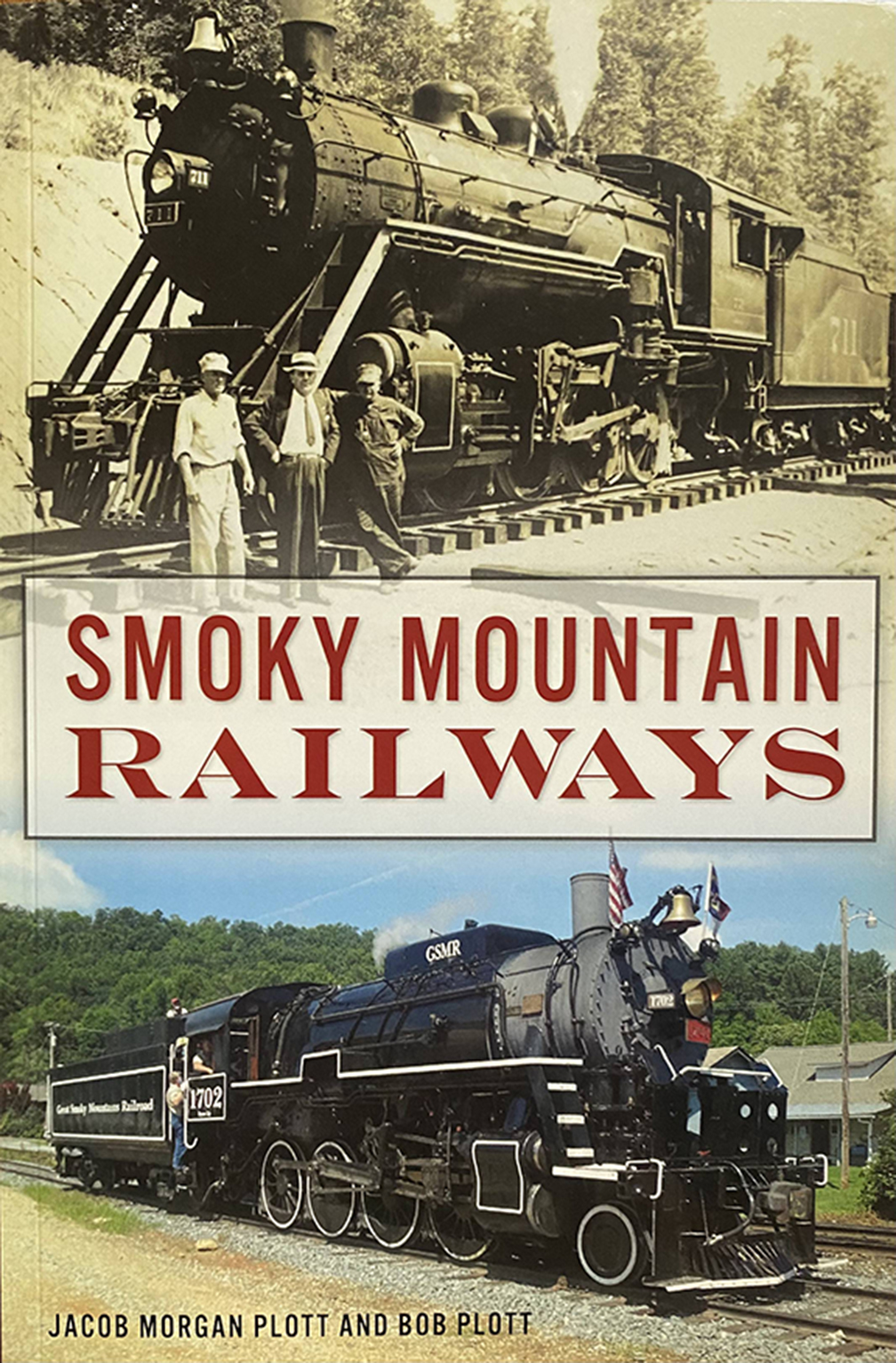
Just in time for Cherokee County’s latest push to bring the train back to the area comes Smoky Mountain Railways, a history of the Western North Carolina Railroad, Murphy Branch and Great Smoky Mountains Railroad that was released on March 15.
While relatively short, the book is rich in details from around Asheville to the Georgia and Tennessee state lines. Hard to believe today, but the Great Smoky Mountains were a remote and inaccessible place, with no major highways or railroads until well after the Civil War. The Scout didn’t even start printing the local newspaper until 1889.
Using first enslaved and later convict labor, the Western North Carolina Railroad and Murphy Branch connected the mountains with the rest of the state by
1891, according to a release. The railroad brought commerce and tourism. Today, tourists and rail buffs continue to come to Bryson City to experience travel on a steam train via the Great Smoky Mountains Railroad.
The history of this story is like no other, as it’s “a tale filled with tragedy, heroism, brains, blood, sweat, tears, nitroglycerin and humor.” Local authors Jacob Morgan Plott and Bob Plott, who have another family legacy with Plott hounds, tell the story of a line that refused to die.
David Brown is publisher & editor of the Cherokee Scout. You can reach him by phone, 837-5122; email, dbrown@cherokeescout.com; or message him on Twitter @daviddBstroh.