
By Anngee Quinones-Belian and Aiden McCoy Williams
Staff Correspondents
The N.C. Forest Service announced over the weekend that the potential for wildfire activity, especially in western North Carolina, is above normal for November.
After the devastation of Hurricane Helene, the amount of fuel and debris is excessive. “Strong winds from the hurricane downed numerous trees, leaving abundant fuel on the ground,” Mayor Tim Radford wrote on Facebook.
One of the primary ways that debris is removed after a disaster event like this is to burn it. “Debris burning will also become common, enhancing human-caused ignition risks over the coming months, especially during any lengthy periods of low precipitation, abundant sunshine, and poor overnight relative humidity recovery,” the Forest Service shared on Facebook.
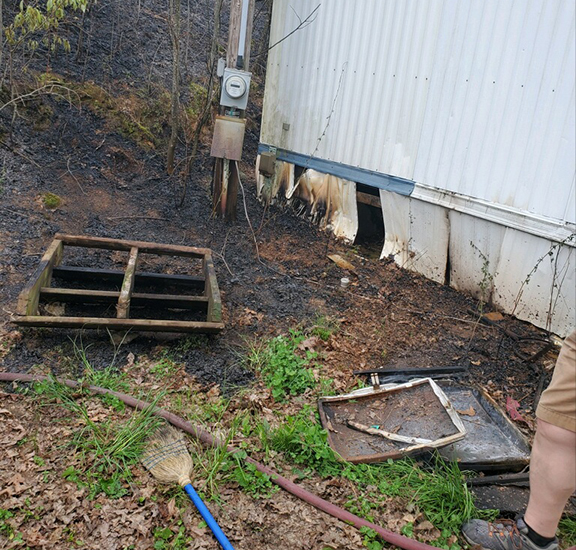
However, in a dry season, leaf burning can be dangerous. “All it takes is an ember to burn down a mountain,” said Chief Mike Taylor of the Ranger Volunteer Fire Department.
With the damage to roadways, instability of the ground, downed trees and other debris, response to wildfire events would be challenged significantly. Increased response time also increases the potential of a small wildfire turning into a large wildfire, especially in heavily impacted areas.
The Forest Service is urging all area residents to use extreme caution with outdoor fires at this time. Before starting a fire or burning debris, check to see if there are any burn bans or fire restrictions in your area, and make sure to secure a valid burn permit.
There’s a right and a wrong way to incinerate the many leaves that fall to the ground this time of the year. The wrong way can cost a person their home, as well as their own safety, and illegal burning can also generate costly fines.
Taylor wants the public to realize just how quickly these leaf fires can get out of control.
“The leaves are still dry even though we’ve had a little bit of rain and winds are dangerous when it’s blowing,” he said.
Watching the weather when planning an outdoor fire is important. You should always stay with the fire and never leave it unattended. Keep a phone nearby in case you need to call 911 to report a wildfire.
Don’t burn on dry or windy days; the risk of fire danger can be checked at local fire departments. Keep your burn pile small, not tall, and remember that it’s illegal to burn anything other than natural vegetation, including household trash.
Trash should always be hauled to a trash or recycling station. In addition, never use any kind of flammable liquid as a means to speed up the debris-burning process.
Taylor strongly suggests that if people want to burn their leaves, they clear off an area around it and make sure that the fire is completely out before leaving it unattended. It’s also important to have a water hose, bucket, steel rake and shovel nearby, just in case of emergency.
To protect any structures, he said, “Keep your home protected by keeping the leaves blown away from the house. People need to take wildfires and leaf burning more seriously, it’s just as dangerous as a house fire, if not more.”
The N.C. Division of Air Quality enforces the state’s open burning regulations. Illegal open burning harms air quality and public health. Violators can be fined up to $25,000. Open burning complaints should be submitted to the local DAQ Regional Office.
Details: Open burn permits are required prior to burning at ncforestservice.gov/burnpermit.