
.
The beginning of the year marks a time for setting new habits and new routines, but as the year progresses, it can be difficult to keep up with those due to time, money and the amount of commitment needed long-term.
One of the most common resolutions is to eat healthier, but experts say 80-91% of these resolutions are abandoned by early February. If one of your goals for 2026 is to eat healthier, follow these tips to make your goal easier to fit into your lifestyle.
Create a meal plan
The first step to healthy eating on a budget is to create a weekly, biweekly or even monthly meal plan. Creating a meal plan will help you to avoid impulsive, unhealthy purchases, reduce food waste and save you time each day, knowing what meals you need already.
When creating a meal plan, utilize recipes you know, incorporate new one, and leverage common ingredients to save yourself time and money. MyPlate.gov suggests taking inventory of what you already have in your home, planning meals you want for breakfast, lunch, dinner and snacks, writing down recipes you want to try, considering the time you have to prepare meals each day and planning to use the leftovers for lunch or another dinner.
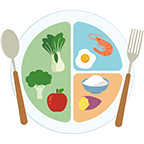
A balanced meal will look different each day, but you should typically aim for half a plate of non-starchy, colorful vegetables, a fourth of a plate of carbohydrates such as potatoes, pasta, or rice, and a fourth of a plate of protein such as beans, fish, chicken or tofu.
Shop with a list (generic brands, in season)
Most people have fallen victim to going into the grocery store hungry or with no clue of what they need for each meal. Creating a shopping list before going to the grocery store helps you to avoid buying unnecessary items, saving money and wasting food.
After creating your meal plan and checking for ingredients you already have at home, create a list of items you will need to purchase from the store. It can be helpful to organize this list by store section, which helps to make shopping quicker and easier.
MyPlate.gov has a shopping list template that can help with this. After this, you can create your grocery list as you run out of items in your home.
To further stay on budget, consider buying generic brands of food, especially for items like canned goods, staples, and frozen foods. Generic brands are often identical in terms of ingredients and, in some cases, even produced by the same manufacturers, leaving the main difference being a brand name and price.
Make sure to utilize store discounts and coupons to help save money on other items. There are apps such as Ibotta and Fetch that can help you get cash back on grocery purchases. Walmart and Dollar General typically have on-app coupons for items, and Ingles offers weekly sales ads.
You can use the available sales to help you with your meal plan, but make sure the ingredients you buy are ones you will use. You can also purchase locally from farmers, produce markets, bakers, and discount stores to help save money while ensuring you’re buying high-quality food on a budget.
Budget-friendly healthy foods
Embrace the use of frozen and canned foods. Frozen fruits and vegetables are packed at peak freshness and can often be found at lower prices than fresh options, with less risk of quickly spoiling. When looking at canned vegetables and beans, opt for no-salt-added options for better health benefits.
Incorporate plant-based proteins into your diet. While other forms of protein are important, incorporating plant-based options can help with budgeting. Options like beans, lentils and chickpeas are inexpensive, versatile and packed with fiber and protein, making them great options for your health and budget.
Consider buying items in bulk. Depending on your food storage options, you can buy items such as brown rice, oatmeal, peanut butter, eggs and whole-wheat pasta in bulk. This reduces the amount you will spend overall on staple items.
Just be sure to have proper storage and only buy bulk food you know you will use to avoid extra food waste. Meats can also be bought in bulk to reduce cost, as long as you have the freezer space available for storage.
Cooking and preparation
When preparing your food, consider recipes that you can batch cook or that will have leftovers to cover multiple meals. If you love breakfast sandwiches or burritos, buy the ingredients to make your own at home, cook and store them in the freezer for easy reheating.
Cook large nutritious batches of soups, stews or casseroles and freeze portions to use for lunch or dinner later in the week. You can even reuse leftovers in new ways. If you had a roasted chicken one night, save the leftovers to use
in salad or soup another day.
Healthy eating doesn’t have to be time-consuming or expensive. By following these tips, you’ll be able to stick with your goal of healthy eating without feeling the burnout of cooking or feeling like your budget is taking a major hit.