
Gardens not only add color to one’s yard, they can also offer a survival element.
During World War l and World War ll, “victory gardens” were grown by civilians to supplement the food supply during wartime, especially when rationing was in place. Their gardens helped ensure their own survival by providing additional food sources needed in the short term.
Gardens can offer a wide variety of fruits and vegetables based on one’s personal preferences. Even some flowers are edible, like the dandelion.
Tammi Smith, president of Appalachian Lady Homesteaders, teaches women skills needed to be more self-sufficient and less likely to depend on grocery stores in emergency situations, when supplies may be depleted.
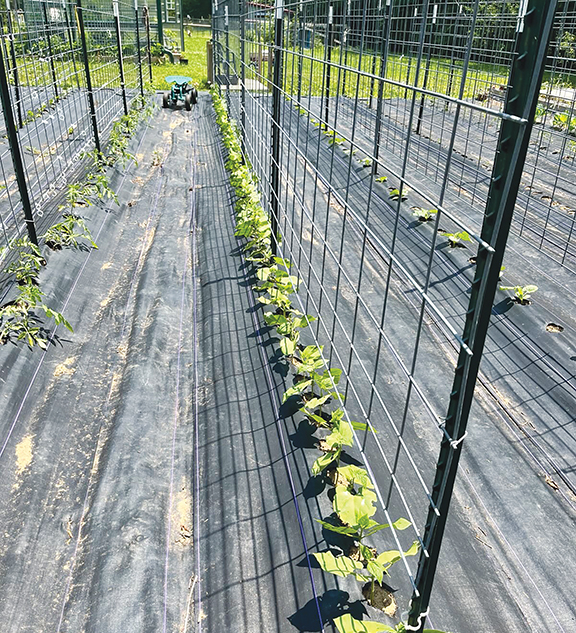
Long-term self-sufficiency gardens, also known as “survival gardens,” focus primarily on dense calories and nutrient rich crops that are able to sustain a family through a crisis or food shortage.
Some foods include potatoes, corn, winter squash, beans and grains, which can be used dried or ground into meal. For nutrient and protein-rich gardens, peanuts and sunflowers are a good addition and can also be made into oils.
Perennials include asparagus and walking onions.
To get as many nutrient and macro vitamins packed into a food, one can include in their garden leafy greens like kale, collards, Swiss Chard, mustard greens and spinach.
Medicinal plants include garlic, onions, echinacea and comfrey. These plants are good for immune support as well as for healing wounds.
Herbs like thyme, oregano, rosemary and sage are great for both medicinal purposes as well as culinary uses.
“Making teas are the best and fastest way to get medicinal herbs into your system,” Smith said.
Berries such as blueberries, blackberries, strawberries and elderberries are essential and great additions to the garden.
Long-term food sources include native fruit trees, which are a great addition to a gardener’s yard.
Root crops like carrots, beets and turnips can be kept in the ground for longer storage.
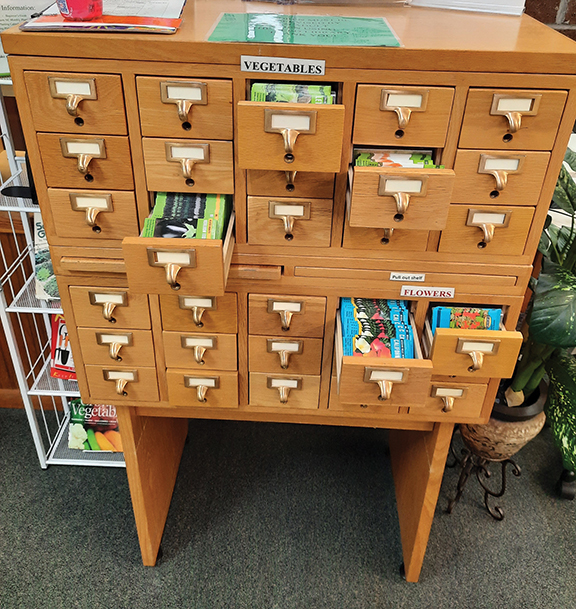
Seed Libraries are a great resource offering folks a wide variety of packaged seeds to help with their garden projects. The collection of seeds are available for folks to check out from participating libraries. The seeds are free and encourage gardening as well as helping preserve biodiversity.
Gardeners may browse the many types of seeds and choose which ones to plant in their own gardens. Growers may then choose to donate their own seeds back into the program for others to enjoy.
Libraries provide a good source of information on planting and growing gardens. Learn about planting guides, freeze dates, growing zones and more.
Growing your own food can provide a sense of self-reliance and security especially during food shortages. One can also minimize or eliminate the use of commercial pesticides in their own gardens, potentially providing safer foods for the grower and their family.
Gardening can offer therapeutic benefits such as reducing stress and promoting feelings of accomplishment. Growing one’s own food can also reduce a grocery bill and planting a garden can provide a learning opportunity for children. Gardening is also a good way to get some exercise.
Solar power can assist gardeners by powering garden tools such as leaf blowers, pressure washers, pond pumps and trimmers
Solar power can be used to power LED growing lights giving plants light in areas that don’t get sufficient sunlight. The use of solar power can also help with irrigation and using solar can save money on electric bills.
Knowledge is key for creating a survival garden because, as Smith said, “When you open your last can of beans, if you don’t know how to grow more beans, that is your last can of beans.”
Details: Visit myalh.org or contact your local library.