
 |
I was just a little girl when I first saw my great-grandfather walk across a yard with a forked stick in his hands, eyes squinting into the sun, shoes crunching soft through the clover. That stick, a Y-shaped branch of peach wood, was no ordinary tool. It was a divining rod, and in Pa’s hands, it could sniff out water like a hound on a rabbit trail.
Back then, water witching wasn’t a parlor trick or an old wives’ tale, it was just something people did when they needed a well and didn’t have money for fancy drilling equipment or geological surveys. You found someone with “the gift,” and they’d come walk your land, stick in hand, letting it twitch and dip toward the hidden veins underground.
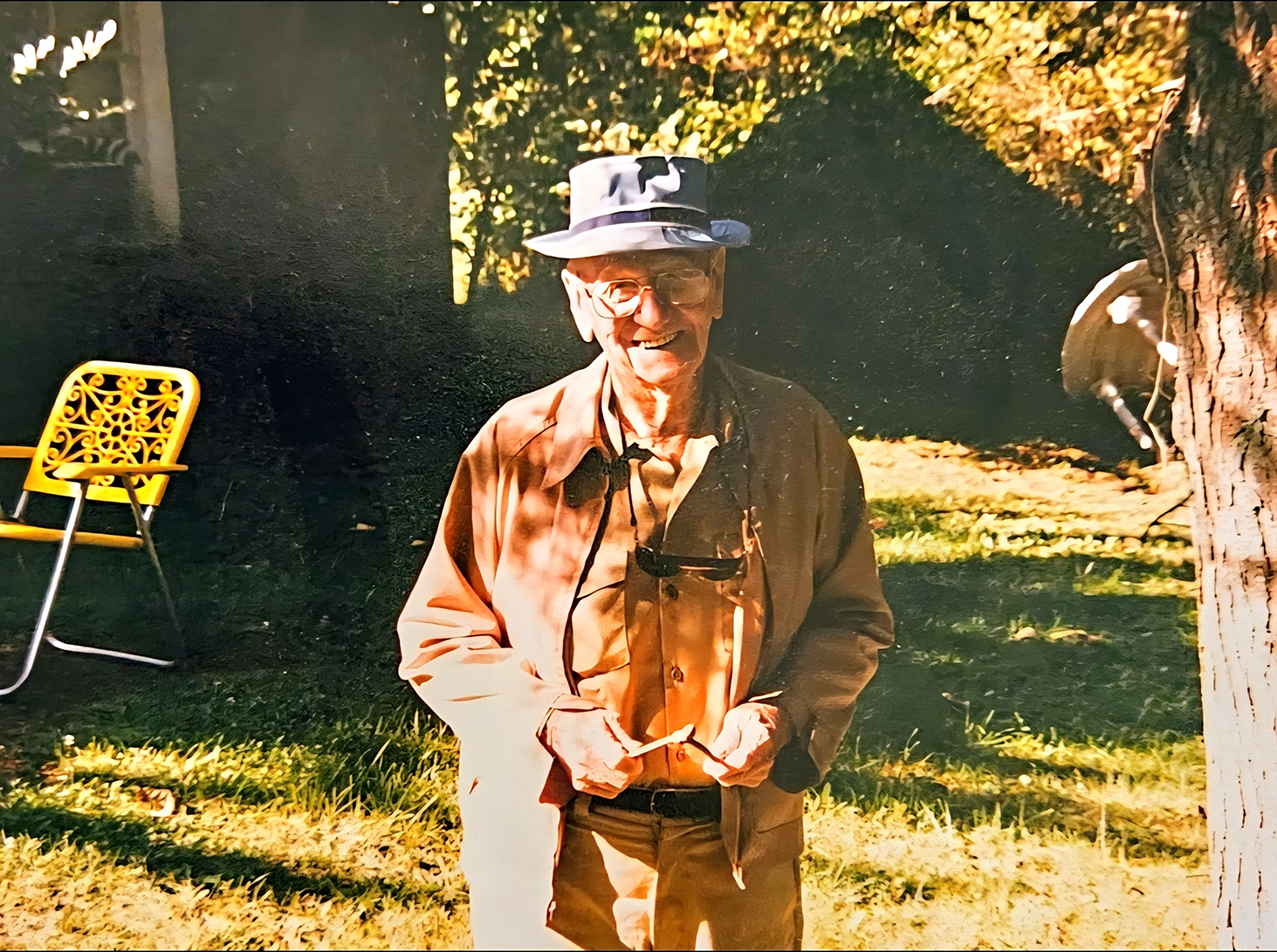
My Pa, Henry Truett, witched water his whole life, learning from his ancestors and then passing it down to his descendants. My dad, Leon Green, learned from him when he was in his twenties, and remembers how friends and neighbors would call on him for help.
“If you can’t believe you can, then you don’t even need to pick up the stuff because that’s a part of it. You have to believe that you can witch water,” He said. “I was always told that if someone came to you and asked for a well witched, if you didn’t help them, then you’d lose your ability. You never ask for pay, it was just neighbor helping neighbor.”
Some called it superstition. Others swore it was science, just not the kind learned in school. But dad has seen it work too many times to laugh it off.
“I’ve witched every well I’ve had. Some people don’t believe in it, ‘Oh just drill here or drill over there,’ they’d say,” his voice mimicking those he had heard before. “Sometimes the stream won’t be more than 6 inches wide. If you don’t put a staub and drill down the staub to the water, you might miss it.”
But times have changed. These mountains used to echo with the quiet, sacred work of traditions passed down through the generations. Now, most of them are gone.
Passed on or put aside, forgotten by younger folks who trust gadgets more than gut feelings. Sure, there are still well drillers in this area who use dowsing rods to find water, but the tradition of water witching is slowly dying as time creeps on.
“You never hear of anybody water witching
anymore. Most of the time with water around here, it’s hard to get to where the water is at because you have to go for an area the truck will get to,” he said with a look of recall.
“There’s a lot of people who don’t believe in water witching. It’s just one of the traditions that people used to do all the time, it’s a lost art or gift, whatever you want to call it. Old-timers like Henry used it all the time and believed in it pretty heavily, it’s been three generations ago.”
Water witching isn’t just about finding wells. It’s about trust. Trust in the land, in the old ways, in a knowledge that isn’t written down but passed from calloused hands to eager ones.
It’s about standing still enough to listen for what’s beneath your feet. About faith, yes, faith that the world still holds secrets if you’re humble enough to ask.
“You just have to believe you can witch a well, and then you can.”
Stacy Van Buskirk is a staff correspondent for the Cherokee Scout. Email her at segv2014@gmail.com.