
Calling 911 better option than confronting trespasser
Your home should envelop a sense of security, a feeling of being able to step out of the chaos of the world and into a domicile where one feels safe and protected – after all, it is your “castle.”
However, homes are sometimes breached with the threat of an unlawful act against one’s safety and security. In these situations, there is a right and a wrong way to protect oneself, home and property.
There is sometimes the thinking that a person is justified using deadly force against a trespasser on one’s own property. However, the rules are clear as to when and where the use of deadly force can be applied.
Description of the laws governing the use of deadly force can be found in N.C. Statutes 14-51.2., 14-51.3. and 14-51.4. The statutes clarify home, workplace and motor vehicle protection as well as presumption of fear of death or serious bodily harm.
Statewide, the common-law principle of the “castle doctrine” applies to one’s home, workplace or vehicle. Under the doctrine, individuals have the right to use reasonable force to protect themselves against an intruder in their home; however, that does not include a work space, shed or garage.
A homeowner can use necessary force to evict a trespasser from their property if they’ve asked the person to leave and they refuse to do so – but not deadly force. It is against the law to point a gun at someone merely to scare them off.
“If they don’t have the authority to use deadly force, they cannot by law point a gun at somebody,” Murphy Police Chief Tim Lominac said. “The only time a person is authorized to use deadly force is when extricate circumstances apply like, for example, if deadly force is being used against them.”
A person should not leave the safety of their home and confront a trespasser in the yard or driveway and threaten him or her with deadly force. However, if the trespasser pulls out a weapon, that changes things. Lominac recommends calling 911 and letting law enforcement handle the situation whenever possible.
Why? For example, if the homeowner pulls out a gun on an unarmed person during a verbal confrontation, that would be considered assault by pointing a firearm at somebody.
There are things people can do to thwart potential trouble, Lominac said. Adding extra layers of protection can help better protect one’s home and property from would be troublemakers.
He suggested placing thorn bushes under windows to make it more difficult for someone to enter the home. Keeping doors locked and not leaving things laying around outside that can easily be stolen will also help discourage those with ill intent.
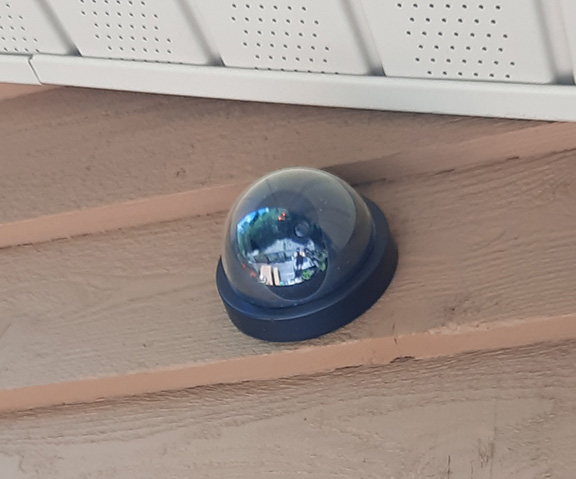
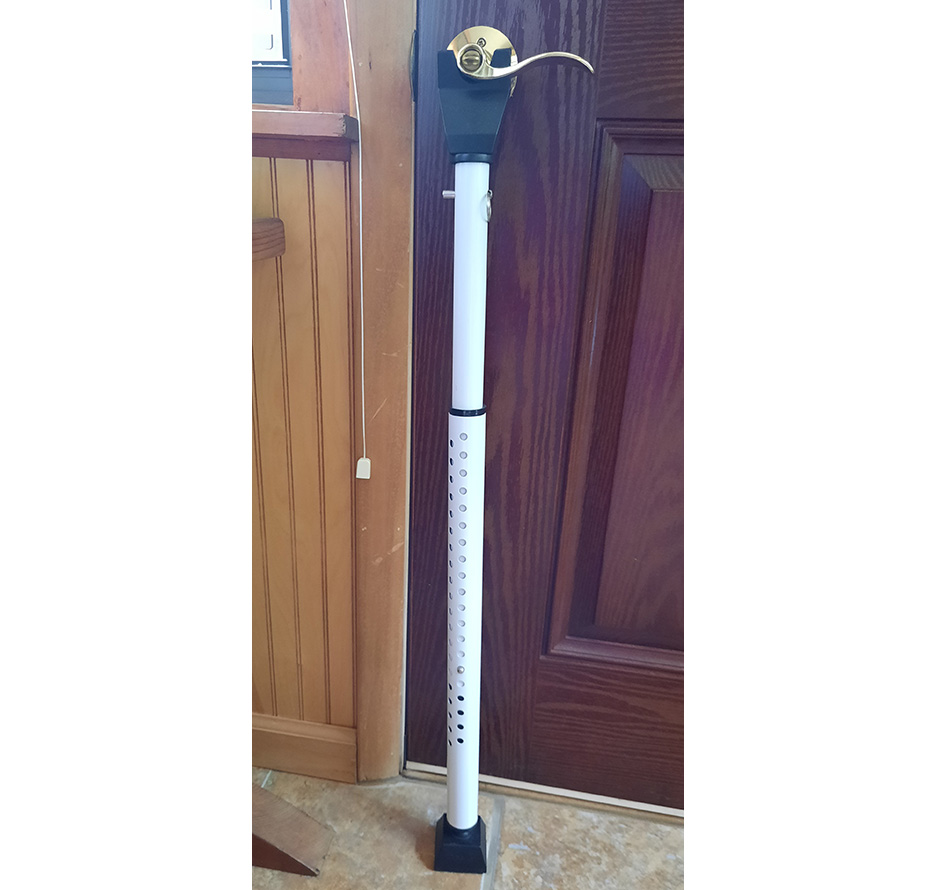
The use of cameras is another way to create a deterrent to intruders, Lominac said. Security lighting, door jams and other security devices help those wanting to beef up efforts to protect their home and property.
Using good judgment and common sense, a person will not only be able to better protect their home and property, but themselves as well – both physically as well as in a court of law.