
Andrews – Many homes are filled with and built on different memories throughout the years by the occupants. Occasionally, items are stored in out-of-the-way places – behind walls, under flooring or in the ceiling.
Perhaps someone wanted to create more room in order to prevent eyesight clutter, or perhaps they wanted to hide something altogether. While the items remain hidden at the time, when the house changes hands, they can become surprising discoveries by the new owner.
Shawn Greene-Stone has been a resident of the Andrews Valley for about 10 years. The bookkeeper for Hall Construction enjoys anything that focuses on home and family, and she has always liked thrift and antique shops. She enjoys collecting old items – especially old letters.
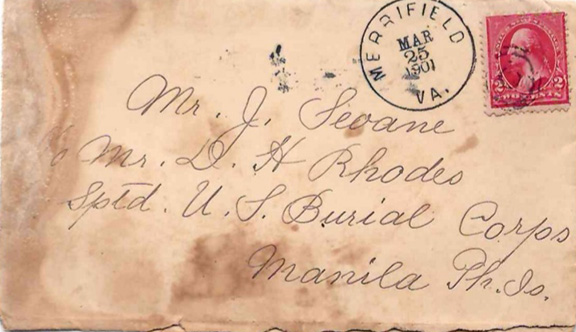
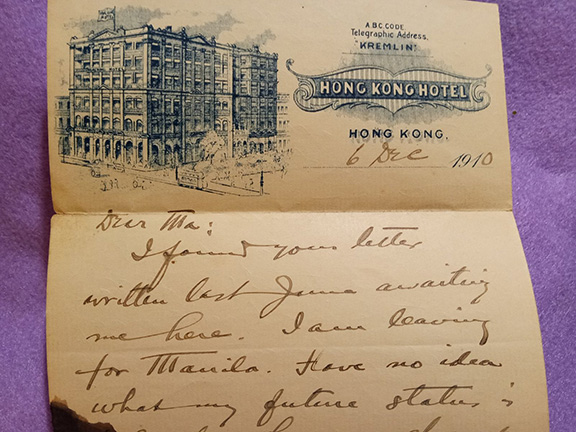
A friend in Andrews was having an older house demolished. While tearing down the structure, historical letters were discovered behind a wall. Knowing Greene-Stone enjoyed such things, her friend passed the letters on to her.
At first, she didn’t do anything with them, as she was too busy. Still, she was concerned about how to preserve them.
She searched the internet for the name Conjuelo Seoane, a colonel in the U.S. Army, who appeared in the letters.
The Google search resulted in books for sale about the man on Amazon. After she began reading one of the books, she realized the man was a spy and began reading the 13 letters.
“To me, it seemed like the letters were written in code. I don’t think ‘ma’ and ‘pa’ were actually his ma and pa, but were his handlers,” Green-Stone said.
She believes the letters were hidden behind a wall so someone would find them one day. She thinks his life would have been in danger if the letters had been found back then.
“There was one drawing that someone had done on a single card-stock-like paper,” Greene-Stone said. “It was really fancy for that time period. It was of two Oriental people; one was sitting, and one was standing.”
Six to eight of the letters were addressed to a woman in Topton named Elda Prince. Green-Stone believes they were written in the 1970s from someone serving in the military.
Two of the letters had wax seals on them; one was intact, while the other was broken. The letters started in 1899, with the last being dated in the 1920s.
“I was very excited,” Greene-Stone said. “As I did more research, the different feelings went from excited to just so overwhelmed with how important this could be.”
Details: If you know anything about this, please contact the Scout.