
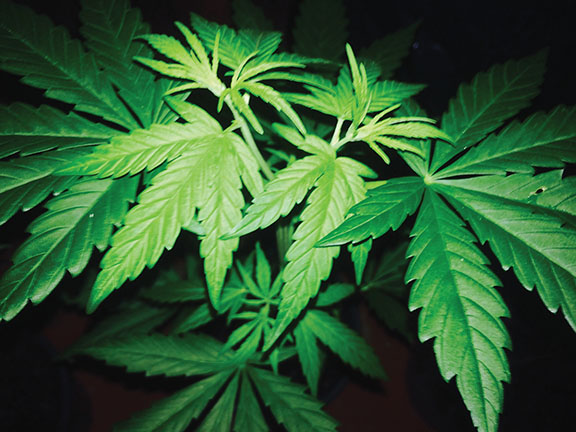
The U.S. House of Representatives is expected to vote this month on legislation that would decriminalize marijuana on the federal level.
The Marijuana Opportunity Reinvestment & Expungement Act would remove pot from the list
of scheduled substances under the Controlled Substances Act and eliminate criminal penalties for anyone who manufactures, distributes or possesses marijuana.
The bill would also make the following changes:
- establish a trust fund to support various programs for individuals and businesses in communities impacted by the war on drugs.
- impose a 5 percent tax on cannabis products and require revenues to be deposited into the trust fund.
- make Small Business Administration loans and services available to legitimate cannabis-related businesses.
- prohibit the denial of federal public benefits to a person on the basis of certain cannabis-related convictions.
- prohibit the denial of benefits and protections under immigration laws on the basis of a cannabis-related conviction.
- establish a process to expunge convictions and conduct sentencing review hearings related to federal cannabis offenses.
In a letter announcing the vote, U.S. House Majority Leader Steny Hoyer (D-Md.) said non-violent cannabis offenses “have prevented many Americans from getting jobs, applying for credit and loans, and accessing opportunities that make it possible to get ahead in our economy.”
Hoyer’s letter did not specify which day the vote will occur, but the House is scheduled to be in session Dec. 2-4 and Dec. 7-10. If the bill passes the Democratic-controlled House, it would still need to pass the Republican-controlled Senate before heading to the president’s desk. An identical version of the MORE Act was referred to the Senate Committee on Finance in July, though no action has been taken since.
Even if the bill passes both chambers of the federal government and is signed by the president, citizens in North Carolina could still face criminal charges at the state level for marijuana possession and distribution. State Sen.-elect Kevin Corbin (R-Franklin) said he has not participated in any discussion regarding marijuana legalization during his previous four years as a state representative.
“I’m sure if the feds take some action, then we’ll probably take up that subject in January,” Corbin said about the possibility of legalizing marijuana in the state.
In the Nov. 3 general election, several states voted to enact marijuana reform, ranging from allowing recreational use to legalizing medicinal use.