
Brasstown – March has been Women’s History Month since the 1970s to coincide with International Women’s Day on March 8. And in western North Carolina and Appalachia, women have played a major role in history.
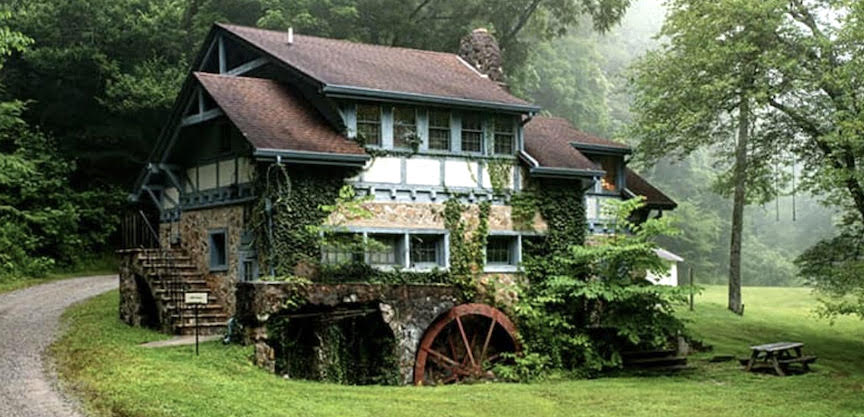
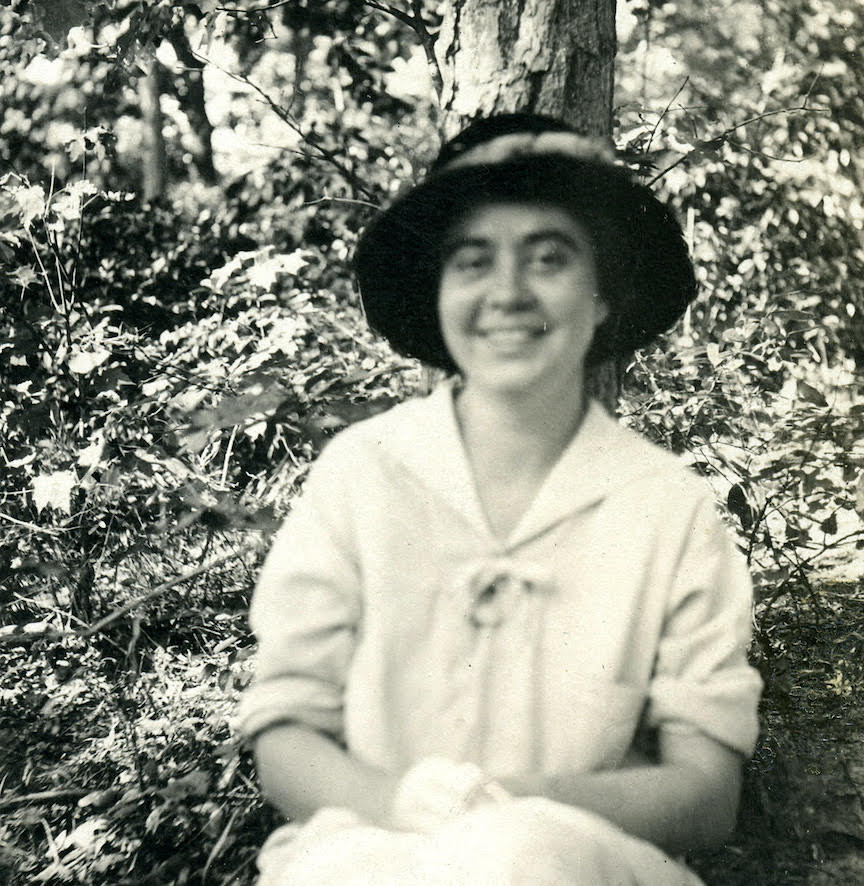
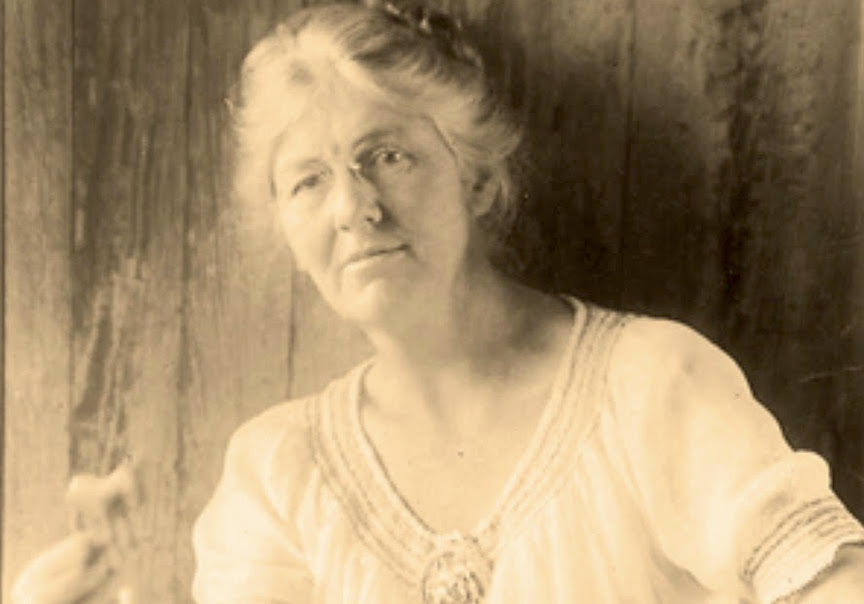
John C. Campbell Folk School, the oldest and largest folk school in the United States, is celebrating its 100th year of being in operation – and two women are to thank for its existence. In 1925, Olive Dame Campbell and Marguerite Butler founded the campus along Brasstown Road.
The two women traveled throughout the 1920s. It was these travels that inspired what is today the John C. Campbell Folk School, named after Olive Dame Campbell’s late husband.
After these travels, they found themselves in Brasstown and began plans for their own folk school centered around Appalachia. The two women helped to plan, build and teach at the school with the help of Campbell’s husband.
Past and future
“Women have been a huge part of Appalachian history. Olive and Marguerite wanted to preserve the history, ways, crafts, and oral stories that make up Appalachia, and these are still the goals and values the John C. Campbell Folk School holds today,” said Lucy Allen, the folk school’s communications manager.
The pair of women founded the folk school with values of joy, kindness, stewardship and non-competitive learning and growth. The values these women established are what inspire and motivate those currently involved with the management and running of the school.
“There’s a focus on the future with the need to preserve the past,” Allen said.
The folk school continues to value women of the past and present who help make the place what it is.
“We have many women in leadership, including Executive Director Bethany Chaney, and instructors who work hard to make each class meaningful, rooted in Appalachian history and engaging learning opportunities for students. John C. Campbell Folk School is a place founded by women that continues to be a safe place for women to be seen, heard and celebrated,” she said.
In order to help preserve Appalachian history, the folk school established an archive of oral histories and other materials that help to celebrate the women of Appalachia. They also have walking tours available, and each of the buildings shares pieces of the history of the school and its women founders.
Bringing together
John C. Campbell Folk School hopes its history and the impact women have made in Appalachia are something that people can appreciate, respect and use to bring everyone together.
“Women can do anything. Women can be anything,” Allen said. “And this will always be a place that is safe for women, but community is also important and is part of what inspired Campbell and Butler over 100 years ago.”
This is why they strive to bring people together from all over the world. Students, of course, come to learn, but they’re also engaging in acts of community.
The folk school values being engaged with the community they’ve been built in through events such as the annual Fall Festival, and youth programs like Little Middle for students in grades 6-12. The adults and kids involved with the school are the future of Appalachia crafts and education.
Throughout 2026, the folk school will be celebrating its 100th year of operation, but for March, it’s important to note that none of this would have been possible without Olive Dame Campbell and Marguerite Butler, who founded the school, and all of the women who continue to dedicate their time to the school. A recent morning session on campus included a spoken word history of Appalachia, including the school’s female founders.
Details: Visit folkschool.org.